
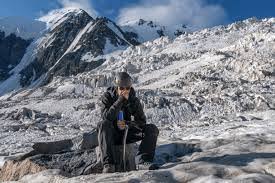
Though, the Everest Base Camp Trek an awesome experience to remembered in life, but the high-altitude environment. Of the trek challenge relatively a lot to the trekkers. The air thins as one in the direction of Everest Base Camp, at 5,364 meters above sea level. And oxygen decreases, causing strain on the body. In fact, altitude sickness, or Acute Mountain Sickness (AMS), is one of the most common health concerns trekkers can face. And can affect even the fittest of individuals. Key to taking this journey is knowledge of altitude sickness, its symptoms and prevention & management.
Altitude sickness happens when the body is unable to acclimatise to the changes in oxygen levels at higher altitudes. Symptoms usually start to show at more than 2,500 meters, then gradually worsen as the trekker continues gain in altitude. AMS typically presents with headaches, dizziness, nausea, fatigue, poor appetite, and sleep difficulties. These symptoms start out mild, but, if not managed correctly can develop into more severe conditions. Sometimes referred to as High Altitude Pulmonary Edema (HAPE) and High Altitude Cerebral Edema (HACE). These are life threatening conditions requiring immediate descent and medical attention.
The best way to avoid altitude sickness is to acclimatize properly. That means ascending gradually and giving the body time to adapt to lower levels of oxygen. The Everest Base Camp Trek includes rest days at important locations such as Namche Bazaar and Dingboche to allow trekkers to acclimatize. At these rest days, it is wise to stay active, going on short hikes at higher elevations to encourage the body to adapt to the altitude.
It is also important to stay hydrated when trying to avoid altitude sickness. Hydrating plays a big role in maintaining proper circulation and health in the body as it tries to acclimatize to the high altitude. It’s also important to avoid alcohol and smoking as both can make the symptoms of altitude sickness worse.
The key to treating AMS is resting and descending. Going straight down is usually the best way to relieve the symptoms. It is important to get medical help if symptoms do not improve or get worse. Most trekkers choose to hire qualified guides and porters, who have been trained to spot the signs. Of AMS and a in a position to make decisions about treatment and evacuation when needed.
When preparing to combat altitude sickness, not only physical preparation required, but mental preparation also vital to the process. You need to listen to your body and heed some early signs of AMS. Ignoring symptoms and continuing without adequate rest or descent can have serious consequences. With a sensible path to climbing acclimatization, hydration, and mindfulness, climbers can decrease the risk of high elevation disorder. And make getting there to Everest Base Camp safer and more pleasurable.
While there are definitely risks when trekking at high altitude and with the potential for altitude sickness, the Everest. Base Camp Trek can be a rewarding and safe trip as long as you prepare some key points. And take a few precautions. Fortunately most trekkers who are patient, acclimatize and pay attention to their bodies can get to base camp without. Too much hassle. Knowing what altitude sickness is and how to prepare for it is a critical part of the planning. Process and will enable trekkers to appreciate the breathtaking views and unique culture. Of the Everest region with peace of mind.
Altitude Sickness on the Everest Base Camp Trek: An Introduction
Crews crossing high altitudes to attain Everest base camp Cost are often anxious about Altitude Sickness as the pressure is starting to drop in higher altitudes due to less oxygen as compared to sea level. The hike, which hit an elevation of 5,364 meters (17,598 feet) at its highest point, can take a severe toll on the body—particularly if trekkers gain altitude too quickly. This condition is known as Acute Mountain Sickness or AMS, and it can happen to anyone, regardless of fitness level or experience trekking in high altitudes. Knowledge of altitude sickness and its symptoms is important for anyone planning to trek to Everest Base Camp because it helps trekkers identify early signs and implement preventative measures. So, although very rarely a question of life and death as such, and especially if you are open to minor forms of borderline high altitude sickness, untreated altitude sickness can quickly become more serious, and lead to not-quite-life-threatening conditions that require a medical team right away (e.g. high-altitude pulmonary edema or high-altitude cerebral edema).
Altitude sickness happens when the body is not able to acclimatize to the diminished oxygen levels at high altitudes. Preventing altitude sickness = proper acclimatization + slow ascent + drinking water. Familiarization with the causes and symptoms of altitude sickness can help trekkers prepare for the trek and improve the odds of having a safe and enjoyable experience on the Everest Base Camp trek.
What is Altitude Sickness?
Altitude sickness, or Acute Mountain Sickness (AMS), happens when your body can not adjust fast enough to fall in oxygen at high altitudes. As hikers gain elevation, the air pressure drops, which means there is less oxygen available in the air. The body’s failure to acclimatize to these reduced oxygen levels leads to dizziness, headaches, nausea and fatigue. AMS usually starts at elevation levels of over 2,500 meters (8,200 feet) and the risk increases as trekkers go up higher. The condition can range in severity, with milder symptoms in some cases and more serious complications in others.
The human body requires an adjustment period to function well in high altitudes; thus acclimatization is a core necessity. Ascending too rapidly without sufficient time for acclimatization can put so much of a strain on the body’s capacity to acclimatize that it results in altitude sickness. While anyone can get altitude sickness, people who have never trekked at high elevations, or who climb too quickly, are more prone to symptoms.
AMS is managed with acclimatization, rest, hydration and medications (e.g., acetazolamide, or Diamox). When it gets really bad, you need to drop to a lower altitude. Trekkers must therefore be cautious as well and in case the symptoms worsen, not delay in taking the necessary help.
Symptoms of Altitude Sickness
While the symptoms of altitude sickness often start to show at altitudes above 2,500 meters (8,250 feet), they become noticeably worse for trekkers at even higher altitudes. Headaches, nausea, dizziness, fatigue, loss of appetite, shortness of breath and trouble sleeping are among the most common symptoms. These symptoms can be mild, making for a discomforting but manageable trek, or they can be severe — making it hard to push on.
Headaches are usually the first symptom, followed by fatigue and dizziness, and it can worsen with physical exertion. Nausea and loss of appetite are common as the body tries to acclimate to the sudden lack of oxygen. However, it should be noted many climbers suffer mild cases that improve with rest and acclimatization. But while symptoms tend to ease in some cases, they can also worsen, resulting in severe conditions like High Altitude Pulmonary Edema (HAPE) or High Altitude Cerebral Edema (HACE).
The key takeaway: altitude sickness should be taken seriously. If symptoms continue or get worse, trekkers should stop and rest, rehydrate and if needed, come down to lower altitude. The trek to Everest Base Camp has several idled days to give the body a chance to acclimatize, and trekkers should never ignore the symptoms of altitude sickness. Detection at an early stage and rapid processing will be the right alternative for all things without going through more serious complications.
How and Why Altitude Sickness Occurs on the Everest Base Camp Trek
Altitude sickness is common on the Everest Base Camp Trek Itinerary due to the journey being undertaken at high altitudes where oxygen levels drop significantly when compared to sea level. As mountain climbers ascend, they move into thinner air because the weight of the atmosphere above them presses down, reducing air pressure and the amount of oxygen in a given volume of air. It can take some getting used to for the human body to adjust though, the air thins out over time and one must acclimatise to it.
The journey of going to Everest Base Camp crosses areas at high altitude levels of over 5,000 meter above sea level (16,404 feet), and we start to feel our body under stress for insufficient Oxygen in the air. The possibility of altitude sickness increases if the trekkers ascend too quickly and do not allow their bodies to adapt. The body’s normal amounts of oxygen become disrupted, and symptoms including headaches, nausea and dizziness can set in.
And acclimatization is the best way to avoid altitude sickness on this trek to Everest Base Camp. It is the changes in body that trigger the production of more red blood cells, which enhances the delivery of oxygen to tissues. Rest days, incorporated into the trek itinerary, are important for acclimatization. The breaks help trekkers acclimatize to the thinning air, minimizing the chance of AMS. Regardless, altitude sickness can still happen even with adequate acclimatization, as each individual body reacts distinctively to altitude.
Trekking to Everest Base Camp can be a beautiful and rewarding experience, however it is important for trekkers to understand the risks of high altitude (known as altitude sickness) and take the right steps (slow ascents, drinking lots of water, etc) in order to prevent symptoms while trekking.
Altitudes Sickness and Acute Mountain Sickness (AMS)
Altitude sickness and Acute Mountain Sickness(AMS) refer to the same illness but there are different levels of severity. AMS is the clinical term for what happens when we don’t get enough oxygen at altitude. The more general term that describes the discomfort that occurs due to this lack of oxygen is known as altitude sickness. Acute mountain sickness (AMS) is a unique type of altitude sickness first appearing as headache, dizziness, nausea, and fatigue.
AMS normally occurs in skiers or trekkers at over 2,500 meters (8,200 feet) altitude, and most frequently above 3,500 meters (11,500 feet) altitude, like on the main Everest Base Camp Trek. In more mild cases, AMS symptoms can be relieved with rest, hydration, and allowing the body time to acclimate. But AMS, if ignored, can progress to more dangerous forms of high altitude sickness, including High Altitude Pulmonary Edema (HAPE) or High Altitude Cerebral Edema (HACE), both of them are fatal and needs medical treatment IMMEDIATELY.
The main difference between altitude sickness in general and AMS is the severity of the symptoms and complications. AMS is clinical illness and needs close monitoring. However, with gradual ascent, adequate acclimatization, and symptom monitoring, AMS can be well managed, and trekkers be able to continue on their expeditions safely. However, trekkers must always make sure to be aware and alert of altitude sickness signs to avoid a possible deterioration of the particular condition.
Previous Next Risk Factors for Developing Altitude Sickness
There are a few risk factors that put you at a higher risk of getting altitude sickness when you do the Everest Base Camp Trek Price. The rate of ascent is one of the main factors. So when ascending quickly and not giving the body enough time to acclimatize the system goes into over drive and tends to show symptoms of Altitude sickness. One of the biggest mistakes trekkers make is trying to ascend too quickly — especially without taking necessary rest days to get used to the elevation.
Another risk factor is prior altitude experience. People who haven’t trekked above 2,500 meters (8,200 feet) before are at even greater risk, since their bodies are not used to the lower oxygen levels. And high-altitude trekker can still feel altitude sickness depending on how fast they ascended and their physical state.
Another factor is actual physical fitness. Though altitude sickness can occur among even the most physically fit people, those entering the challenge in relatively less fit condition may be more susceptible. Trekkers in poor health, especially with cardiovascular or respiratory issues, are also at a higher risk.
Dehydration can intensify altitude sickness, making staying hydrated essential for trekkers. As well as smoking and drinking too much alcohol can affect the body’s ability to adjust, increasing the risks of altitude sickness. Finally, younger trekkers (under 20) and older trekkers (over 60) are at a higher risk for AMS as they are either too far off in terms with how the body can adapt to high elevation.
How to Avoid Altitude Sickness on the Trek
The best way to avoid altitude sickness on the Everest Base Camp Trek is through planning, pacing, and hydration. Gradual acclimatization is the most successful method in decreasing the risk of altitude sickness. The leading cause of AMS is altitude gain too quickly, so trekkers should maintain a slow pace, striving for no more than 300-500 meters of elevation gain per day.
Rest days are important too, especially at major stops like Namche Bazaar or Dingboche. These days give the body a chance to acclimatize to the increased elevations and can greatly reduce the risk of AMS. For these rest days, trekkers shouldn’t be in sedentary mode, but can make short walks at a higher altitude to assist the acclimatization process.
Staying hydrated is crucial. Dehydration is more severe at high altitudes, so trekkers need to drink plenty of water, interspersed with electrolytic fluids. Avoiding alcohol and smoking are also key as both hinder the body’s adaptation.
A medication like Diamox, a prescribed drug that enables the body to acclimatize more successfully, can also make a difference. But before using any medicine, trekkers even seek the advice of a doctor. But above all, it’s vital to listen to your body and heed early signs of altitude sickness so that actions can be taken if symptoms start to emerge.
Acclimatization: The Secret to Avoiding Altitude Sickness
The single most important aspect of avoiding altitude-related health issues on the Everest Base Camp Trek Best agency is acclimatization. It is how our body adapts to the reduced levels of oxygen available higher up the mountain. Hikers not acclimatized properly are more at risk of symptoms of altitude sickness, which can be mild to severe.
Acclimatization is normally done by ascending gradually, so that the body can adjust to the lower level of oxygen step by step. Acclimatization is a slow process and the rule of thumb is not to gain significantly more than 300–500 m of sleeping altitude daily. This gives the body time to create more red blood cells that transport oxygen across the body.
The Everest Base Camp Trek itinerary is built to help with natural acclimatization. Strategically placed key rest days, at places such as Namche Bazaar, Dingboche and Lobuche, allow trekkers to acclimatise. During these rest days, it’s suggested to do short hikes at higher altitudes (sometimes referred to as “climb high, sleep low”), which further promote acclimatization by increasing the body’s ability to absorb oxygen at higher elevations.
The most important aspect of successful acclimatization is not rushing it and getting in tune with the body’s signals.” Climbing at a slow, constant rate, resting often, and getting plenty to eat and drink will all help reduce the risk of getting altitude sickness. Acclimatization is a process that takes time and care, and trekkers who respect this process are far more likely to have a safe and pleasant journey towards base camp Everest.
Stages of Altitude Sickness and How to Treat It
Altitude sickness is graded based on its severity and comprises several stages; if not treated, symptoms can worsen. Acute Mountain Sickness (AMS) begins with mild symptoms of headache, nausea, dizziness, fatigue, and trouble sleeping, are the first stage. At this stage, the symptoms are typically treatable with rest, rehydration, and gradual descent to a lower altitude if required. Most people trekking will experience mild (but not dangerous) symptoms of altitude sickness at some point on the trek, and the symptoms are alleviated with rest and acclimatization.
If not handled, altitude sickness can evolve into High Altitude Pulmonary Edema (HAPE) or High Altitude Cerebral Edema (HACE) — much more serious and life-threatening conditions. HAPE causes a buildup of fluid in the lungs, resulting in shortness of breath, a dry cough, and tightness in the chest. HACE, by contrast, is due to fluid collecting in the brain, and leads to confusion, loss of coordination and in extreme cases unconsciousness.
If any of these severe conditions are suspected, immediate descent is crucial. Nothing in the air can relieve the symptoms, but if you must continue to climb, descending to a lower altitude will relieve pressure on the lungs and brain, reducing the symptoms. In some cases, it might become necessary to be evacuated by helicopter.
To alleviate early-stage AMS, trekkers should rest, remain hydrated, and use pain relievers such as ibuprofen or paracetamol to ease headaches. Drugs such as Diamox can also be prescribed to facilitate acclimatization and decrease symptoms. Complications can arise in the form of High-Altitude Pulmonary Edema (HAPE) or High-Altitude Cerebral Edema (HACE), in which case immediate descent and get the medical attention.
How to Spot the Early Symptoms of Altitude Sickness
The early symptoms of altitude sickness are also important to recognize to prevent the condition from progressing to more dangerous complications. The first warning signs to look out for are headaches, dizziness, nausea, fatigue and trouble sleeping. These symptoms usually develop within the first 24–48 h of ascending to high altitudes. The headache is usually the first symptom and is often described as dull or throbbing.
If you experience any of those symptoms, it’s essential to stop and rest.” The first one is do not keep trekking their trouble with you because it will get worse. Trekkers should stay well hydrated, avoid alcohol and take anti-inflammatory drugs to alleviate the headache and nausea. At this point, the most critical element is rest, because if you continue ascending too rapidly, you will risk mild to severe altitude sickness.
If one experiences worsening or more severe symptoms, it is important to descend to a lower altitude and seek emergency care if needed. Quick recognition and action are the key to preventing altitude sickness from growing into the life-threatening conditions such as HAPE or HACE. Shortness of breath, confusion or lack of coordination could indicate severe altitude sickness, and you should descend immediately. As you are aware of high altitude sickness and act quickly, you will complete the Everest Base Camp Trek without the risk that high altitudes can cause.
Altitude Sickness Treatment Options if they Occur on the Trek
EBC Trek Guide The key to preventing altitude sickness from manifesting on the Everest Base Camp Trek is recognition and immediate action. In case of mild symptoms of Acute Mountain Sickness (AMS), the initial thing that you need to do is to rest and give time for your body to acclimatize. This could involve some of the following: remaining at the same altitude, descending to a lower-lying area if symptoms do not resolve with rest.
Trekkers should rest, drink plenty and avoid excessive exertion. Ibuprofen or paracetamol are good over-the-counter painkillers you can take to relieve headaches — a common symptom of AMS. Ethacrynic acid (Diamox) is a registered medicine that is frequently prescribed to assist in accelerating acclimatization and reducing altitude sickness symptoms. But it must be prescribed only under medical supervision.
If symptoms continue or worsen, it is important to descend to a lower altitude. Symptoms often resolve with a descent of at least 500 meters (1,640 feet). Severe cases such as High Altitude Pulmonary Edema (HAPE) or High Altitude Cerebral Edema (HACE) demand immediate medical evacuation and can be lethal without rapid treatment. It is therefore advisable for trekkers always to take along a satellite phone or other communications devices to summon help if needed.
For mild AMS, medications and rest are effective treatments, while harsher cases need descending and emergency medical care. As a result, trekkers should always pay close attention to safety and act promptly when severe symptoms develop.
How Adequate Hydration Might Help Prevent Altitude Sickness
Hydration on the Everest Base Camp Trek to Avoid Altitude Sickness. At high altitudes, the body loses fluids via increased respiration and dehydration can exacerbate altitude sickness symptoms. Dehydration can decrease the body’s effectiveness in handling decreased levels of oxygen, which may increase the risks of AMS.
Trekking is a great activity but trekking can lead to dehydration so trekkers must drink at least 3-4 litre of water on average to keep them moving forward. You can also do well by having electrolyte-replenishing beverages since they help in keeping your fluid balance and prevent loss of essential minerals. Dehydration can also lead to dizziness and fatigue, which can be mistaken for altitude sickness symptoms. So, good hydration is essential for trekkers, so they can understand between general fatigue and serious altitude problems.
Indeed, staying hydrated is crucial, but so is not overhydrating. Drinking too much water without replacing salt and other electrolytes can result in a condition called hyponatremia, which leads to dangerously low levels of sodium. The best strategy is a mix of water, sports drinks and electrolyte-rich foods.
Drinking plenty, but in balance, will help reduce the risk of altitude sickness and keep you energetic for demanding treks.
What to Do if You Have Severe Altitude Sickness
If you suffer from serious altitude sickness, it is an urgency. Of serious altitude sickness symptoms, confusion, shortness of breath, rudderless coordination, severe headaches, vomiting and dizziness. These may signify critical conditions known as High Altitude Pulmonary Edema (HAPE) or High Altitude Cerebral Edema (HACE). In these cases, descent is the most important step, since the only known cure for these conditions is to decrease the altitude as rapidly as feasible.
Short Everest base Camp Trek Setting aside what the law requires, the absolute necessity is to cease the climb and to go down to altitude — preferably 500 meters (almost 1,640 feet) or more. Even if symptoms are mild at first, it’s best to be cautious. A drop to a lower altitude allows the body to recover and can relieve the pressure on the lungs and brain caused by the high altitude, almost immediately.
It is equally important to obtain immediate medical intervention in the case of severe altitude sickness if symptoms do not improve when descending. If you are trekking with a guide, they should have a satellite phone or communication device to arrange for help. In severe cases, you may need airlifted via helicopter or other mode of transport.
In the case of severe AMS, HAPE, or HACE, oxygen therapy is a possible treatment. Many trekkers also bring portable oxygen canisters, but should do so in combination with immediate descent to a lower altitude. Acute altitude sickness can be life-threatening without urgent treatment, so recognizing the signs and responding without delay can save lives.
Why Go Slow and Take Rest Days?
It is best to avoid altitude sickness in the Everest Base Camp Trek by having a gradual ascent and frequent rest days. The usual upper limit for safe a ascent is to not increase sleeping height more than 300-500 meters (1,000-1,600 feet) daily. This provides the body with sufficient time to acclimatize to the thinner air with minimal risk of developing Acute Mountain Sickness (AMS)
Rest days also included in the itinerary so you properly acclimatize. Thus, strategic stops like Namche Bazaar, Dingboche and Lobuche allow the hiker to rest and also for the body to adapt itself before making the ascent to greater altitudes. The these rest days that do should not regarded downtime at all, rather part of the acclimatization process.
On rest days, trekkers can take short low-intensity walks at higher altitude. This allows the body to adapt to the less dense air without exposing the individual to a great risk of developing altitude sickness. This process, called “climb high, sleep low,” greatly enhances the body’s adaptive capability.
The best way to reduce your chances of getting altitude sickness is to do the trek at a slow. Pace and allowing sufficient rest days. These will allow the body to adapt and acclimatize properly, so a slower approach to the trek. Paired with adequate rest, will make the trek to Everest Base Camp safer and more enjoyable.
How to Stay Healthy and Safe on the Everest Base Camp Trek Conclusion
The Everest Base Camp trek food comes with heartStopping views and an experience of a lifetime, but along with that it’s not without its challenges and risks, most notably altitude sickness. Indeed, it is important to understand the risk of altitude sickness while climbing and implement preventive. Measures to help alleviate the potential risk of altitude sickness for a safe and healthy trek. This means ascending slowly, taking regular rest days, staying hydrated and listening to your body. For early warning signs of AMS.
Acclimatization is important to avoid altitude sickness. Giving the body time to acclimate to the lower amounts of oxygen in question is important as it is related to the severity of the symptoms. Should altitude sickness develop, it treated effectively though early recognition, rest, rehydration and, if needed, descent to lower altitude.
Trekkers should also equipped to deal with potentially harmful altitude sickness by bringing appropriate medications, familiarizing themselves. With how to use oxygen supplies and ensuring they have communication devices available to call for help when necessary. If trekkers adhere to safety protocols and do slow ascents, they can greatly increase their chances of success. For the Everest Base Camp Trek safely and effectively. With the right training, preparation and acclimatization, you will have an unforgettable experience. A trip to one of the world most iconic trekking destination


