
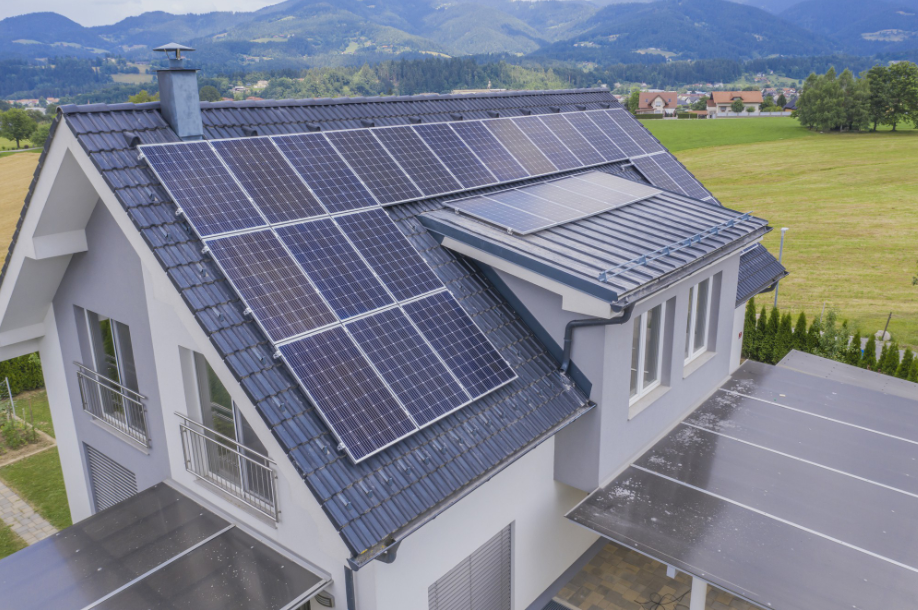
Solar shingles are an innovative, eco-friendly solution for homeowners, offering both protection and energy generation. These roofing materials harness the sun’s power to provide electricity, making them a sustainable choice for modern homes.
However, their performance influenced by factors like sunlight, weather, and temperature. Understanding how these elements affect solar shingles is key to maximizing their efficiency and lifespan. This article explores these factors, providing insights to help homeowners make the most of their solar roofs.
What Are Solar Shingles?
Solar shingles, or photovoltaic (PV) shingles, represent a revolutionary advancement in roofing technology. Unlike traditional solar panels, which mounted above the roof, solar shingles integrate directly into the roof structure, serving both roofing material and energy-generating cells. This seamless integration makes them a visually appealing and space-efficient alternative to conventional solar systems.
Over the years, solar shingles have evolved significantly in terms of efficiency, durability, and cost-effectiveness. Initially, they offered lower energy output compared to traditional panels, but modern designs have closed this gap, making them. A viable option for homeowners seeking to reduce their energy costs while enhancing the aesthetics of their home. Solar shingles installed much like standard asphalt shingles, meaning they compatible with most existing roofing systems.
In addition to their ability to generate clean energy, solar shingles offer numerous benefits. They provide a sleek, modern appearance, seamlessly blending with the roof, and they are a compelling choice for homeowners looking for an eco-friendly solution without the visual bulk of traditional solar panels. When considering solar shingles for your home, it’s essential to work with a reliable solar shingle company that understands both the technical and environmental considerations to ensure that your roof performs optimally throughout its lifespan.
Impact of Solar Shingle Exposure on Roof Performance
While solar shingles an impressive technology, their performance greatly influenced by exposure to various environmental factors. The way these shingles interact with the elements can either enhance or diminish their efficiency over time. Here are the key factors that impact their performance:
- Sunlight Exposure: Solar shingles are designed to convert sunlight into electricity, and naturally, they perform best when exposed to direct sunlight. However, prolonged or excessive exposure to intense sunlight can lead to overheating, which in turn can degrade the photovoltaic cells within the shingles. In areas with intense sun exposure, such as the southwestern United States, it’s important to monitor for signs of overheating or wear that could reduce the shingles’ energy-generating potential.
- Rain and Moisture: Exposure to rain and moisture is inevitable for most roofing systems, and solar shingles are no exception. While these shingles generally designed to be weatherproof, repeated exposure to rain, snow, and humidity can cause corrosion or water damage, particularly if the shingles not properly sealed. Water infiltration can compromise the integrity of both the roofing material and the solar components, ultimately reducing the system’s efficiency.
- Wind and Hail: Severe weather conditions like high winds and hail can pose significant risks to solar shingles. Hailstones can cause direct physical damage to the shingles, cracking the surface or even damaging the internal solar cells. Additionally, high winds can dislodge poorly installed or improperly secured shingles, resulting in leaks and a decrease in overall performance. In areas prone to extreme weather, it is important to select shingles that are designed to withstand high wind speeds and the impacts of hailstorms.
- Temperature Extremes: Solar shingles are built to withstand a range of temperatures, but extreme heat or cold can have detrimental effects. In freezing temperatures, the shingles may expand and contract, which could cause cracking or material fatigue. Conversely, in hotter climates, prolonged exposure to excessive heat can break down the materials used in solar shingles, leading to degradation of their energy conversion capabilities.
- UV Degradation: UV radiation from the sun is one of the primary causes of material breakdown in roofing materials, and solar shingles are no different. Over time, UV rays can cause the materials to degrade, leading to a decrease in the efficiency of the photovoltaic cells. It’s crucial for homeowners to periodically inspect solar shingles for any signs of UV-induced damage, such as discoloration or brittleness, and address these issues promptly.
Factors Affecting Solar Shingle Performance
While environmental factors are critical, other considerations can also impact the performance of solar shingles. These include:
- Roof Slope and Orientation: To maximize the energy-generating potential of solar shingles, it’s important to install them on a roof that has the right orientation and pitch. Ideally, solar shingles should be installed on roofs that face the sun at an optimal angle. This ensures maximum exposure to sunlight throughout the day, enhancing their ability to generate electricity.
- Shingle Quality and Installation: Not all solar shingles are created equal. The quality of the materials used plays a significant role in their durability and performance. High-quality shingles are more resistant to environmental stressors, such as UV degradation and moisture infiltration. Equally important is the installation process. Professional installation ensures that the shingles are properly secured, sealed, and connected to the home’s electrical system. Poor installation can lead to performance issues, leaks, and reduced lifespan.
- Maintenance and Inspections: Regular maintenance and inspections are vital to the long-term performance of solar shingles. Homeowners should periodically clean their shingles to remove dirt, leaves, and other debris that may block sunlight from reaching the solar cells. Additionally, having a professional inspect the roof annually can help identify any early signs of damage or wear, allowing for timely repairs that prevent more serious issues.
- Geographic Location: The geographic location of your home plays a significant role in the performance of solar shingles. Homes in areas with consistent, strong sunlight year-round will see better performance than those in regions that experience frequent cloud cover or heavy rainfall. Additionally, regions with extreme weather conditions may require additional precautions to protect the shingles from storm damage or wear.
- Wind Resistance and Hail Impact: Solar shingles must be able to withstand high winds and hail in order to remain effective. Homeowners in storm-prone areas should invest in shingles that are designed for maximum wind resistance and impact protection to avoid costly repairs.
Advantages and Challenges of Solar Shingles
Like any roofing solution, solar shingles come with their own set of benefits and challenges:
- Advantages:
- Environmental Impact: Solar shingles contribute to a cleaner environment by reducing reliance on fossil fuels and decreasing carbon emissions. They harness the sun’s energy to provide electricity, making them an eco-friendly option for homeowners.
- Cost Savings: Over time, solar shingles can result in significant energy savings. By generating your own electricity, you can reduce or eliminate your electricity bills. Additionally, many governments offer incentives or rebates for homeowners who install solar roofing systems.
- Aesthetic Appeal: Unlike bulky solar panels, solar shingles offer a sleek, integrated appearance that blends seamlessly with your roof. They provide all the benefits of solar energy without sacrificing the look of your home.
- Challenges:
- Initial Cost: The upfront cost of installing solar shingles can be higher than that of traditional roofing materials, which may deter some homeowners. However, the long-term savings on energy bills can offset this initial investment over time.
- Efficiency: Solar shingles typically have lower energy efficiency compared to traditional solar panels. For homeowners who need a substantial amount of electricity, solar shingles may require additional supplementation from other energy sources.
- Maintenance: While solar shingles are low-maintenance, they do require periodic inspections and care to ensure they continue to perform at their best.
How to Maximize Solar Shingle Performance
Maximizing the performance of solar shingles requires a combination of proper installation, regular maintenance, and proactive care. Here are some tips to get the most out of your solar shingles:
- Proper Installation: Ensure your solar shingles are installed by certified professionals who understand the unique requirements of this technology. Proper installation will ensure the shingles are securely attached, sealed, and able to withstand the elements.
- Regular Cleaning: Keeping your solar shingles clean is essential to ensuring they absorb the maximum amount of sunlight. Regularly remove debris, dirt, and leaves to prevent shading on the solar cells.
- Timely Maintenance: Perform periodic inspections of your solar shingles, looking for any signs of damage or wear. If any issues are detected, have them repaired promptly to avoid compromising the system’s efficiency.
- Protect Against Extreme Weather: In regions prone to extreme weather, consider investing in weather-resistant shingles or protective coatings to enhance the shingles’ durability and resistance to damage.
When to Call a Solar Shingle Company
When considering solar shingles for your home, it’s essential to work with a trusted solar shingle company that can guide you through the installation process and provide expert advice on maintenance and care. A reliable company will ensure that your solar shingles are installed correctly, ensuring they perform optimally for years to come.
Additionally, if you notice signs of damage or deterioration in your solar shingles, don’t hesitate to contact a professional. Addressing problems early can help extend the life of your roof and prevent costly repairs.
Emergency Roofing Services
In the event of a roofing emergency that affects your solar shingles, it’s crucial to know where to turn for professional emergency roofing services. Whether it’s a leak, storm damage, or physical issues with the shingles, quick action can prevent further damage and ensure. That your roof and solar system continue to perform efficiently.
Conclusion
Understanding the impact of exposure on solar shingles is essential for homeowners who want to maximize the efficiency. And longevity of their roofs. By taking the time to consider environmental factors, choosing high-quality materials, and ensuring proper installation and maintenance, homeowners. Can ensure that their solar shingles perform optimally. With the right care and attention, solar shingles can provide both energy savings and environmental benefits for years to come.


